Two versions sit side by side — here's how to tell them apart
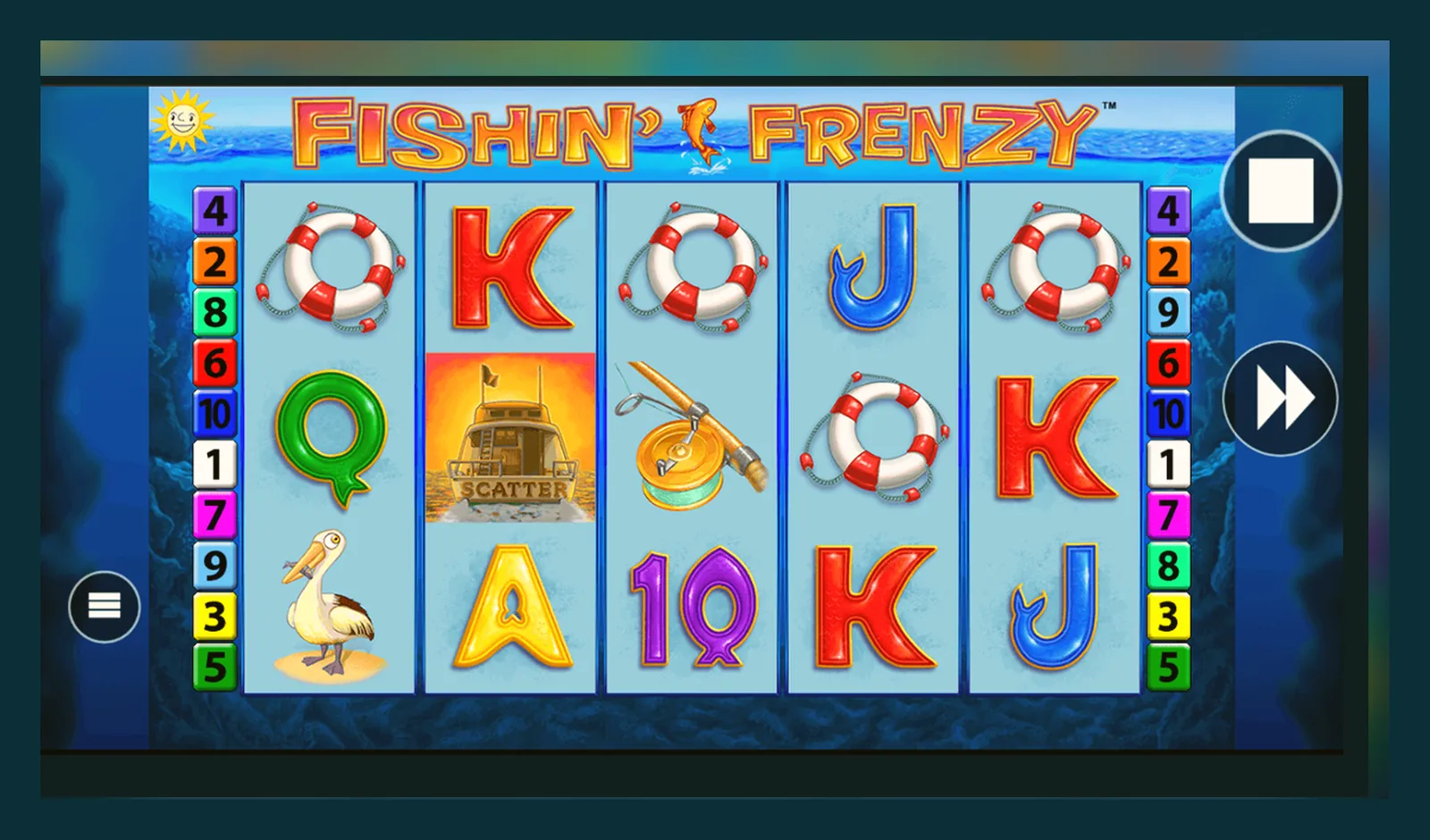
You open two casino sites. Both offer Fishin' Frenzy. Same title card, same reel layout, same free-spins round. One holds a UKGC remote licence and appears in the Commission's public register. The other redirects you through three mirrors, promises no KYC, and accepts credit cards — illegal in Britain since April 2020. Only the first is official under UK law.
«Official» here means the game build comes from the studio that designed it, the operator holds the current UKGC licence to serve British players, and the platform meets the stake caps, affordability checks, and self-exclusion rules the Gambling Act imposes. There is no single «official site» of Fishin' Frenzy — dozens of licensed operators stock it — but there is a 60-second verification routine that separates the real article from clones and unlicensed mirrors.
What «official» actually covers — and what it doesn't
An official build means the game files, RNG seed, and paytable match the studio's certified release. The operator pays the provider for access and submits the integration to the testing house — usually iTech Labs, eCOGRA, or GLI — which checks that the published RTP holds across a statistically significant sample. The UKGC then lists the operator in its register if it meets capital, AML, and safer-gambling standards.
What official status does not guarantee: that you will like the volatility profile, that free spins will land before your deposit runs dry, or that customer support will reply in under an hour. It confirms the maths is honest and the firm can pay you if you win, but it does not promise you will win. Medium-to-high volatility means stretches of dead spins are the statistical norm, not a sign of foul play.
One-minute licence verification walkthrough
The UKGC maintains a public register of every remote and non-remote licence it has issued. If the operator is not there, it cannot legally serve you.
- Scroll to the casino footer. Look for a block labelled «Licensing» or «Regulatory Information». Note the operator's legal name and the licence number — it will read 000-###-###-R-###-### or similar.
- Visit the UKGC website and open the «Public register» search tool. Paste the licence number or the operator name into the search field.
- Check the status column: it should say «Active». If it says «Suspended», «Revoked», or «Expired», the site is operating illegally.
- Click through to the licence detail page. Confirm the licence type is «Remote» and the «Operating licence — casino» permission is listed. The issue and renewal dates tell you how long the firm has held the licence.
- Cross-reference the trading name on the search result with the brand name on the casino site. Operators often run multiple brands under one licence — the register shows all trading styles in the detail view.
This takes under a minute once you know where to look. If the footer has no licence number, or the number returns no result, treat the site as unlicensed. Unlicensed operators cannot enforce disputes through ADR, and your bank may refuse chargebacks on unregulated gambling transactions.
Why there is no single official site of the game
Fishin' Frenzy is a wholesale product. The studio licences it to aggregators, who bundle it into content packages and sell access to hundreds of casino brands. Each operator integrates the same game build, but wraps it in its own front-end, payment stack, and bonus engine. One site might pair it with a 100% match and a 40× wager; another offers 50 no-wager spins on your third deposit. The game logic is identical; the commercial terms are not.
Blueprint Gaming — the provider — does not run a direct-to-consumer casino. It supplies slots to the trade. That means you will find the official build on any UKGC-licensed site that stocks Blueprint's portfolio, and the choice of operator comes down to payout speed, customer-service quality, and bonus structure rather than game authenticity.
| Operator type | Licence check | Game build | Bonus example |
|---|---|---|---|
| UKGC-licensed casino | Register entry, footer number | Official Blueprint release | Deposit match, 35–50× wager |
| Unlicensed mirror | No UKGC presence | May be cloned or rigged | No-wager claims, accepts credit cards |
| Aggregator demo portal | Not required (free play only) | Official, but no real-money mode | None — demonstration purpose |
Login, account, and the documents you will need
Every UKGC site will ask for your date of birth, address, and a form of ID before you can deposit. Age and identity checks happen at registration or when you first try to add funds — this is a legal requirement, not the operator being awkward. Expect to upload a passport, driving licence, or national identity card, and a recent utility bill or bank statement for proof of address.
The first withdrawal triggers a second round of checks. The compliance team matches your payment method to your verified identity — credit cards are banned for gambling since 2020, so the debit card, PayPal account, or bank details must be in your own name. KYC review takes 24 to 48 hours; during that window your withdrawal sits in «pending». Once verified, subsequent payouts clear faster — a few hours to an e-wallet, same day to two working days via Faster Payments.
- Affordability checks begin when your net deposits — deposits minus withdrawals — reach £150 in a rolling 30-day window. The operator pulls credit-reference data at the first stage; if you deposit more than £1,000 a month, it may ask for payslips or bank statements.
- GAMSTOP registration blocks every UKGC-licensed site for a minimum of six months and a maximum of five years. If you are on GAMSTOP, you will not be able to create an account or log in.
- Stake caps apply the moment you load the game: £5.00 per spin if you are 25 or older, £2.00 if you are 18 to 24. The platform enforces this in the bet-selector UI.
Demo play is available on many sites, but because age verification now happens before you see game lobbies, free mode often sits behind a logged-in, zero-balance account rather than open guest access.
The official app question — and what runs in the browser
Fishin' Frenzy is an HTML5 slot. It runs in Chrome, Safari, and Firefox on any screen size without a native install. Most UKGC-licensed operators offer a mobile-optimised web app — you tap «Add to Home Screen» and the casino icon appears alongside your other apps, but it is still a browser wrapper, not a standalone binary.
A handful of large operators publish native apps on Google Play and the App Store. Those apps are legal under UK rules if the operator holds the remote licence. The app listing will show the developer name and link to the licence in the app description or the in-app settings menu. If an APK circulates outside the official stores and asks you to side-load it, treat it as unofficial — Google Play and the App Store vet submissions, random download mirrors do not.
There is no «official Fishin' Frenzy app» from Blueprint Gaming itself — the studio does not distribute direct to players. What you are looking for is a licensed operator's app or web build that includes the game in its library. Check the operator's UKGC status first, then confirm the game appears in the slot lobby. The gameplay, RTP, and rules will match the desktop version because it is the same server-side code.
What to do when something goes wrong — complaints, regulator escalation, and self-exclusion
If a withdrawal stalls, a bonus does not credit, or you believe a spin result was incorrect, start with the operator's customer-support team. UKGC licence conditions require a clear complaints procedure, usually linked in the footer as «Complaints Policy» or «Dispute Resolution». Log your issue in writing — live chat transcripts and email threads count — and note the time and date.
If the casino does not resolve it within eight weeks, or if you are unhappy with the outcome, escalate to an approved Alternative Dispute Resolution service. The operator must name its ADR provider — commonly IBAS or eCOGRA — in the footer or terms. ADR is binding on the operator but free for you. Gather your evidence: screenshots, transaction IDs, chat logs, and the casino's written response.
- Contact the casino's support team and reference the specific transaction, spin, or bonus round. Ask for the bet ID or session log if the issue involves game behaviour.
- If the reply does not satisfy you, or if the team does not respond within a reasonable time, submit a formal complaint through the operator's published complaints process.
- Wait eight weeks for a final response. If none arrives, or if the decision feels unfair, lodge a dispute with the casino's ADR provider. The provider's details appear on the licence page and the site footer.
- If the operator is unlicensed — or if you suspect fraud — report it directly to the UKGC. The Commission's website has a «Report a Concern» form. Include the site URL, your transaction records, and a summary of what happened.
For gambling-harm concerns, GAMSTOP self-exclusion blocks every UKGC site in one registration. BeGambleAware offers confidential support and referral to the National Gambling Helpline. Deposit limits, time-outs, and reality checks sit in your account settings on every licensed platform — use them before you need them.
FAQ
How do I know the RTP I see is the one the game actually runs?
The RTP figure — usually 96.00 to 96.12 per cent for Fishin' Frenzy, depending on the variant — sits in the game's info panel, accessible via the «i» button in the UI. UKGC rules require operators to display it before you spin. Testing houses audit a sample of millions of rounds to confirm the observed return matches the published figure. If you suspect something is off, download your game history from the account dashboard and check the session logs. Long losing runs are statistically normal in medium-to-high volatility slots, but systematic deviation from the stated RTP over thousands of spins would be grounds for a complaint to the ADR provider.
Can I play the official version without signing up or depositing?
Demo mode exists on most UKGC-licensed sites, but many now gate it behind a logged-in account. You create an account, verify your age, then access free play with a zero balance. A few operators still offer guest demo access — you land on the site, open the game, and play with virtual credits — but that is becoming rarer as the Commission tightens advertising and age-verification rules. If you want to test the game before committing real money, look for a site that explicitly labels its demo lobby as open or create a verified account without depositing. Either way, you will not see live-win leaderboards or real-money jackpot tickers in demo mode.
What are the red flags that a site is running a clone rather than the real game?
No UKGC licence number in the footer, or a number that returns no active result in the public register. Accepts credit cards — banned in the UK since 2020. Promises no KYC, instant withdrawals, or unverified accounts. Redirects through multiple mirror domains. Displays RTP figures wildly different from the provider's published range — Blueprint's Fishin' Frenzy hovers around 96 per cent; a clone might claim 98 per cent to lure deposits, or suppress it to 92 per cent and pocket the difference. The game UI looks slightly off — wrong fonts, misaligned buttons, or a paytable that does not match the official spec. If any of these apply, assume it is a clone and do not deposit.
If the operator goes bust or loses its licence, what happens to my balance and pending withdrawals?
UKGC licence conditions require operators to segregate player funds from operating capital. If the firm enters administration, your balance should be protected and returned through the insolvency process — though it may take months. Pending withdrawals at the time of licence suspension sit in a grey area; some are honoured as part of the wind-down, others get caught in legal limbo. This is why checking the licence status before you deposit matters. If an operator's licence moves to «Suspended» or «Review» mid-session, stop playing and request withdrawal immediately. The UKGC publishes regulatory updates on its website; serious enforcement actions appear there before they hit the press.